
























A consumer proposal is essentially a deal you strike with your creditors to pay back a portion of what you owe over time—usually up to five years. It’s a legal agreement that stops collection calls, freezes interest, and gives you a structured way to handle overwhelming debt without declaring bankruptcy.
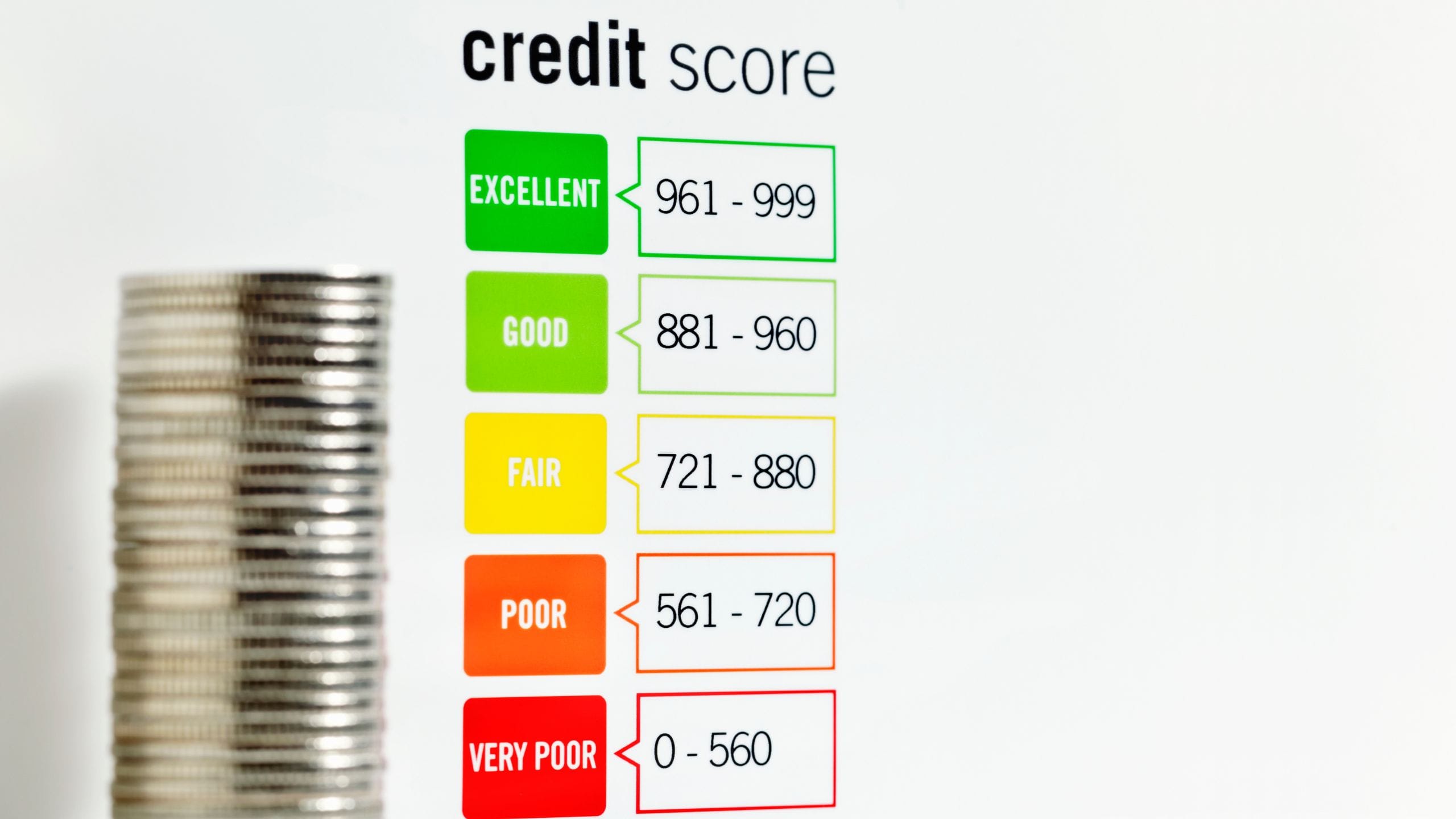
Sounds great, right? Well, there’s a tradeoff. Your credit report takes the hit. A consumer proposal typically drops your credit score significantly because it signals to lenders that you struggled to pay your debts as originally agreed.
The mark stays on your credit report for about three years after you complete the proposal. During this time, traditional lenders might see you as higher risk, making it tougher to qualify for loans, credit cards, or even rental applications.
But here’s what matters most: this isn’t permanent. With consistent effort and smart financial moves, you can rebuild your credit and prove you’re creditworthy again.
How Long Does a Consumer Proposal Stay on Your Credit Report?
Timing matters when you’re planning your comeback. In the United States, similar debt relief programs (like Chapter 13 bankruptcy) stay on your credit report for seven years from the filing date. However, consumer proposals—more common in Canada—typically remain for three years after completion.
If you finished your proposal in 2024, expect it to appear on your credit report until 2027. Different credit bureaus might have slightly different reporting periods, so it’s worth checking your reports from all three major bureaus: Equifax, Experian, and TransUnion.
The key takeaway? You don’t have to wait until it falls off to start rebuilding. In fact, the sooner you start taking positive credit actions, the faster you’ll see improvement.
Can You Get a Credit Card After a Consumer Proposal?
Absolutely—but you’ll need to be strategic. Traditional unsecured credit cards with perks and rewards? Those might be out of reach initially. But secured credit cards are your golden ticket.
What’s a Secured Credit Card?
A secured credit card requires a cash deposit (usually $200-$500) that becomes your credit limit. If you deposit $300, you get a $300 credit limit. Simple as that.
Here’s why they’re perfect for rebuilding:
- Guaranteed approval: Since your deposit covers the risk, approval is almost certain
- Credit bureau reporting: Your payment activity gets reported just like any regular card
- Graduation potential: Many issuers upgrade you to unsecured cards after 6-12 months of responsible use
The deposit isn’t gone forever—you get it back when you close the account in good standing or when you graduate to an unsecured card.
Some solid secured card options include:
- Discover it® Secured Credit Card
- Capital One Platinum Secured Credit Card
- Secured Mastercard® from Bank of America
Step-by-Step Guide: How to Rebuild Credit After a Consumer Proposal
Ready to roll up your sleeves? Here’s your action plan.
1. Check Your Credit Reports Immediately
Before you do anything else, grab your credit reports from all three bureaus. You’re entitled to one free report per year from each bureau at AnnualCreditReport.com (the only official source).
Look for:
- Accuracy of the consumer proposal listing
- Old accounts that should be marked as “included in proposal”
- Any errors or accounts you don’t recognize
Dispute any mistakes immediately. Errors can drag down your score unnecessarily.
2. Start With a Secured Credit Card
We covered this already, but it bears repeating: get that secured card ASAP. This is your foundation.
Use it for small, regular purchases—gas, groceries, streaming services—and pay the full balance every month. Not just the minimum. The full amount.
Why? Because you’re training yourself in responsible credit use while showing lenders you’re reliable. Plus, you avoid interest charges entirely.
3. Pay Every Single Bill On Time
Payment history makes up 35% of your credit score—the biggest slice of the pie. Even one late payment can set you back months.
Set up automatic payments for:
- Credit cards (at least the minimum, but aim for full balance)
- Utilities
- Phone bills
- Rent (if your landlord reports to credit bureaus)
- Any installment loans
Use calendar reminders, banking alerts, or budgeting apps—whatever keeps you on track. Missing payments is the fastest way to sabotage your progress.
4. Keep Credit Utilization Below 30%
Credit utilization is how much credit you’re using compared to your total available credit. If you have a $500 limit, try to keep your balance below $150 (that’s 30%).
Lower is even better. Under 10% is ideal if you can manage it. High utilization signals financial stress to lenders, even if you’re paying on time.
Here’s a pro tip: if you have a $300 secured card and need to charge $400 this month, make a payment mid-month before your statement closes. This keeps your reported balance lower.
5. Consider a Credit-Builder Loan
These specialized loans are designed specifically for people rebuilding credit. Here’s how they work:
You “borrow” a small amount (usually $300-$1,000), but instead of getting the money upfront, it’s held in a savings account. You make monthly payments, and once you’ve paid it off, you get the money plus any interest earned.
The lender reports your payments to credit bureaus, building positive payment history. Plus, you end up with savings at the end. It’s like forced savings with a credit-building bonus.
Credit unions often offer these at reasonable rates. Check out local options or online lenders specializing in credit building.
6. Become an Authorized User (Carefully)
If you have a family member or trusted friend with excellent credit, ask if they’ll add you as an authorized user on their credit card. Their positive payment history can help boost your score.
Critical warning: Make sure they have perfect payment history and low utilization. If they miss payments or max out the card, it hurts you too. Also, discuss whether you’ll actually use the card or just benefit from the tradeline reporting to your credit.
7. Monitor Your Credit Regularly
Use free tools like Credit Karma, Experian, or the credit monitoring features built into many banks. These show you:
- Your current credit scores
- New accounts or inquiries
- Changes in your credit profile
- Tips for improvement
Regular monitoring helps you catch errors quickly and track your progress. Watching your score climb month by month is incredibly motivating.
How Long Will It Take to Rebuild Your Credit?
Everyone wants to know: “How fast can I fix this?”
The honest answer? It depends on your starting point and how aggressively you tackle it. But here’s a realistic timeline:
| Timeline | What to Expect |
| 3-6 months | Small improvements visible; secured card establishes payment history |
| 6-12 months | Noticeable score increases; might qualify for some unsecured credit products |
| 12-24 months | Significant recovery; access to better interest rates and credit limits |
| 24-36 months | Near or above pre-proposal levels; competitive loan offers available |
Most people see meaningful improvement within 12-18 months if they’re consistent with payments and keep utilization low. By 24-36 months, many have recovered enough to qualify for mortgages or auto loans at reasonable rates.
Remember: the consumer proposal itself ages off your report after three years, which provides an additional boost once it’s gone.
Is It Better to Get a Secured Loan or a Secured Credit Card First?
Start with the secured credit card. Here’s why:
Secured credit cards offer:
- Immediate impact on credit scores
- More flexibility in usage
- Easier approval process
- Lower upfront costs
- Frequent reporting (monthly)
Credit-builder loans are great as a second step:
- They add installment loan diversity to your credit mix
- Forced savings component helps build emergency fund
- Typically have longer reporting history (12-24 months)
The smartest approach? Get a secured card within the first month after your proposal completes. Three to six months later, add a credit-builder loan. This combination gives you both revolving credit and installment credit, which improves your credit mix—another factor in credit scoring.
Common Mistakes to Avoid When Rebuilding Credit
Let’s talk about what NOT to do. These mistakes can seriously slow your progress:
Applying for Too Many Accounts at Once
Every credit application triggers a hard inquiry, which temporarily dings your score. Multiple inquiries in a short period scream “desperate” to lenders.
Stick to one or two credit products initially. Once you’ve established six months of positive history, you can gradually add more.
Closing Old Credit Accounts
Even if your old accounts were included in your proposal and show zero balances, don’t close them unless they have annual fees. Older accounts help your credit age, which is about 15% of your credit score.
Missing Even One Payment
Seriously, even one 30-day late payment can drop your score by 60-110 points when you’re rebuilding. Set up those automatic payments and guard them with your life.
Maxing Out Credit Cards
Using 100% of your available credit tanks your score, even if you pay it off monthly. Remember that 30% (or lower) utilization rule.
Ignoring Your Credit Reports
Errors happen. Accounts might not update correctly. Old debts might reappear incorrectly. Check your reports every few months and dispute anything that’s wrong.
Should You Consult a Credit Counselor or Financial Advisor?
Yes—especially if you’re feeling overwhelmed or unsure where to start.
Credit counselors can help you:
- Understand your credit reports
- Create a realistic budget
- Develop a debt repayment strategy
- Navigate credit-building products
- Avoid predatory lending scams
Look for nonprofit credit counseling services certified by the National Foundation for Credit Counseling (NFCC). These organizations offer free or low-cost counseling and genuinely want to help rather than sell you products.
Financial advisors are better for:
- Long-term financial planning
- Investment strategies
- Retirement planning
- Comprehensive wealth building
For credit rebuilding specifically, start with a credit counselor. They’re specialists in this exact situation and typically more affordable.
Can You Remove the Consumer Proposal from Your Credit Report Early?
Short answer: No.
The consumer proposal is a matter of public record and will remain on your credit report for the legally mandated period—typically three years after completion. There’s no legitimate way to remove accurate negative information early.
Anyone claiming they can remove accurate negative items for a fee is running a scam. Save your money.
What you CAN do:
- Ensure the information is reported accurately
- Add positive tradelines to outweigh the negative impact
- Write a 100-word statement explaining the circumstances (though this has limited impact)
Focus your energy on building positive credit history rather than trying to erase the past. New positive information carries increasingly more weight as time passes.
Tools and Resources to Track Your Credit Rebuilding Progress
Technology makes credit rebuilding easier than ever. Here are the best tools:
Free Credit Monitoring Services
- Credit Karma: Free scores from TransUnion and Equifax, plus monitoring
- Experian: Free FICO score and report, excellent mobile app
- Credit Sesame: Free monitoring with personalized recommendations
- Your bank: Many banks now offer free credit score tracking
Budgeting Apps
- YNAB (You Need a Budget): Excellent for preventing overspending
- Mint: Free comprehensive budgeting and bill tracking
- PocketGuard: Helps you see how much you can safely spend
Payment Tracking
- Set up automatic payments through your bank
- Use bill reminder apps like Prism or Bills Monitor
- Enable email and text alerts from all creditors
Educational Resources
- Consumer Financial Protection Bureau: Official government resource for credit education
- MyFICO forums: Community discussions about credit building
- r/CRedit on Reddit: Active community sharing experiences and advice
Building Healthy Financial Habits for the Long Term
Rebuilding credit isn’t just about the numbers—it’s about developing financial habits that stick.
Create a Realistic Budget
Use the 50/30/20 rule as a starting point:
- 50% for needs (housing, food, utilities)
- 30% for wants (entertainment, dining out)
- 20% for savings and debt paydown
Adjust percentages based on your situation, but the key is living within your means consistently. Need help creating a budget? Check out this guide on emergency fund strategies to get started.
Build an Emergency Fund
Even $500-$1,000 can prevent you from relying on credit cards when unexpected expenses hit. Start small—$25 per paycheck adds up faster than you think.
Having emergency savings reduces financial stress and helps you avoid the debt cycle that might have led to the consumer proposal in the first place.
Educate Yourself Financially
Read books, listen to podcasts, follow financial blogs. The more you understand about money management, credit, and investing, the better decisions you’ll make.
Knowledge is power, especially when it comes to avoiding debt traps and building wealth.
Celebrate Small Wins
Your credit score increased by 20 points? Celebrate it. You made six months of on-time payments? That’s huge. You saved your first $500? Hell yes.
Rebuilding credit is a marathon, not a sprint. Acknowledging progress keeps you motivated during the long haul.
Real Talk: What Credit Score Can You Realistically Achieve?
Let’s set realistic expectations. After a consumer proposal, you might start in the 500-580 range (or lower). Here’s what’s achievable:
Year 1: 600-650 range with consistent effort
Year 2: 650-700 range if you’ve maintained perfect payment history
Year 3+: 700+ is absolutely achievable
Getting above 700 typically takes 24-36 months, but some people do it faster with aggressive credit building. Above 740 is considered “very good” and gets you access to the best interest rates and terms.
Will you hit 800+? Maybe eventually, but don’t obsess over perfection. A 720 credit score gets you virtually the same loan terms as an 800. Focus on getting to “good” (670+) first, then “very good” (740+).
Frequently Asked Questions
How does payment timeliness affect credit rebuilding?
Payment history accounts for 35% of your credit score—the single biggest factor. Even one missed payment can drop your score by 60-110 points and stay on your report for seven years. Conversely, consistent on-time payments are the fastest way to demonstrate creditworthiness. Set up automatic payments for everything possible. Your future self will thank you.
Are there alternatives to secured credit cards?
Yes. Credit-builder loans, becoming an authorized user on someone else’s card, or retail store cards (used carefully) can also help. Some fintech companies offer alternative credit-building products that report rent and utility payments to credit bureaus. However, secured credit cards remain the most straightforward and universally recommended starting point.
Should I pay off collections before focusing on new credit?
It depends. Older collections (especially those approaching the 7-year mark) have diminishing impact on your score. If you have limited funds, prioritize building new positive tradelines with secured cards and on-time payments. If collections are recent and for significant amounts, consider negotiating pay-for-delete agreements. Never ignore legitimate debts, but strategically prioritize where your money has the most impact.
How often should I check my credit score?
Monthly is ideal. Most free credit monitoring services update monthly anyway. Checking your own score is a “soft inquiry” that doesn’t hurt your credit. Stay informed about your progress and catch any errors quickly.
Can I get a mortgage after a consumer proposal?
Yes, but timing matters. Most conventional lenders want to see 2-4 years of solid credit history after proposal completion. FHA loans might be available sooner (as early as 12-24 months after discharge with good credit rebuilding). Expect higher interest rates initially, but you can refinance once your credit improves further.
Your Next Steps: Taking Action Today
You’ve got the knowledge. Now it’s time to act. Here’s your immediate action plan:
This Week:
- Order your free credit reports from AnnualCreditReport.com
- Review reports for errors and dispute any inaccuracies
- Research and apply for a secured credit card
- Set up automatic payments for all existing bills
This Month:
- Make your first secured card purchase and pay it off in full
- Create a realistic budget using the 50/30/20 rule
- Start emergency savings with even $25-50
- Sign up for free credit monitoring
Within 6 Months:
- Apply for a credit-builder loan to diversify credit types
- Check credit scores to track improvement
- Consider whether authorized user status makes sense
- Review and adjust budget based on spending patterns
By Year 1:
- Request credit limit increase on secured card
- Evaluate whether you qualify for unsecured credit
- Continue building emergency fund to $1,000+
- Celebrate your progress and stay motivated
Remember, rebuilding credit after a consumer proposal isn’t about perfection—it’s about consistency. Small, positive actions compound over time into significant results.
You’ve already proven you can handle the tough stuff by completing your consumer proposal. Now you’re building something better: a strong financial foundation that’ll serve you for decades to come.
Take Control of Your Financial Future
Your consumer proposal is behind you. The rebuild starts now.
The path forward requires patience, discipline, and commitment—but every on-time payment brings you closer to your goals. Every month your credit improves opens new doors: better interest rates, higher credit limits, and eventually, approval for that mortgage or car loan you’ve been dreaming about.
Don’t let past financial challenges define your future. You’re not starting from zero—you’re starting from experience. And that experience, combined with the strategies in this guide, makes you smarter and stronger than before.
Ready to take control? Start today. Apply for that secured card. Set up those automatic payments. Check that credit report. Your future self—the one with a 720 credit score and a house key—is counting on the decisions you make right now.
You’ve got this.
Want more financial strategies and credit-building tips? Explore comprehensive guides and resources at Wealthopedia to continue your journey toward financial wellness and credit recovery.
Disclaimer: This article provides general information and should not be considered financial or legal advice. Individual circumstances vary. Consult with qualified professionals for personalized guidance.